Categories
New Blog
Optimizing Footwear Production: The Role of Precision Hot Melt Spraying Equipment
June 25 , 2026The global footwear industry is undergoing a massive transformation. Consumer demand for faster production cycles, sustainable materials, and flawless product quality has forced manufacturers to rethink traditional assembly lines. In modern shoe manufacturing, bonding is everything. From structural sole attaching to delicate upper laminating, the integrity of a shoe relies entirely on how well its components are held together.
Traditionally, solvent-based adhesives dominated shoe factories. However, rising environmental regulations, safety concerns, and the need for higher production speeds have accelerated the shift toward hot melt adhesives. But simply switching to hot melt glue is not enough. To truly unlock efficiency, reduce material waste, and deliver premium product durability, manufacturers must invest in advanced application technology.
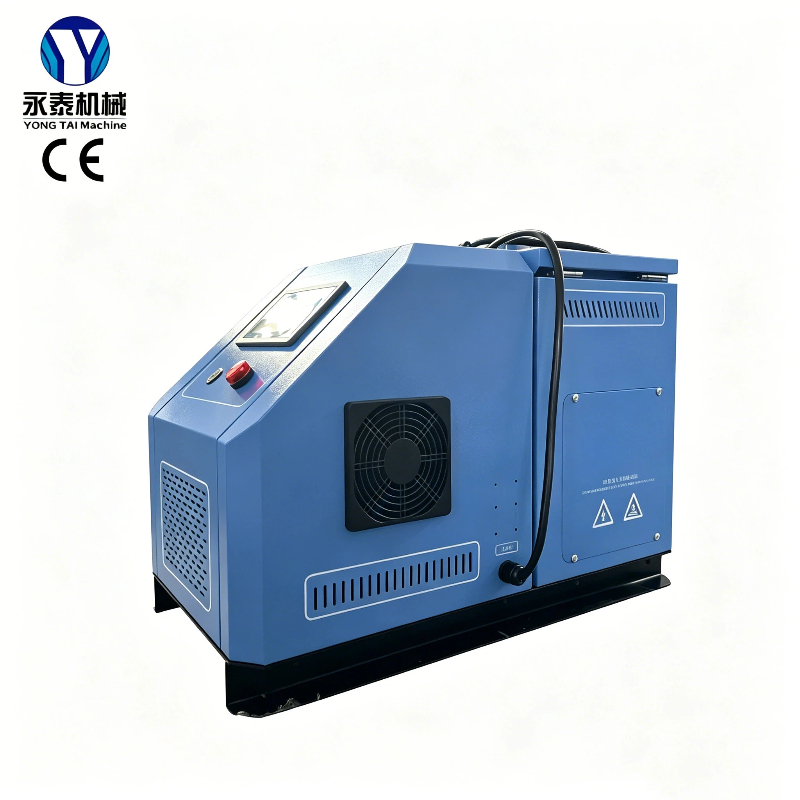
As a leading global provider of industrial adhesive solutions, Yongtai Machine specializes in engineering state-of-the-art hot melt applicator machines that empower footwear brands to automate, optimize, and scale their production seamlessly.
1. The Evolution of Bonding in Footwear Manufacturing
Footwear assembly is uniquely complex. Unlike flat surfaces or uniform packaging, a shoe comprises various three-dimensional curves, flexible materials (like leather, mesh, synthetics, and foam), and high-stress points.
Historically, factories relied on manual brushing of solvent-based cements. This method presented three massive drawbacks:
1.Health and Safety Risks:Solvents release Volatile Organic Compounds (VOCs), requiring heavy ventilation and risking worker health.
2.Slow Curing Times:Solvent glues require extended drying zones, creating bottlenecks on the conveyor line.
3.Inconsistent Quality:Human operators apply varying amounts of glue, leading to either messy squeeze-outs or weak bonds that result in product returns.
Enter Precision Hot Melt Spraying
Hot melt adhesives cure rapidly through cooling rather than solvent evaporation. When paired with automated, precise spraying equipment, they eliminate VOCs, cut drying times down to seconds, and deliver consistent adhesive weight across every single shoe component.
2. Key Areas of Hot Melt Application in Shoe Production
A single shoe requires multiple bonding steps, each demanding a different adhesive profile and application pattern. Precision hot melt spraying equipment excels across these primary production stages:
A. Insole and Sockliner Bonding
The insole must be perfectly bonded to the lasting board or midsole without creating lumps that compromise wearer comfort. Spraying a fine, uniform fiberized network of hot melt adhesive ensures full coverage with minimal material usage, preventing shifting during high-intensity wear.
B. Upper Construction and Foam Lamination
Shoe uppers combine leather, breathable mesh, and cushioning foams. Traditional gluing can stiffen these materials or bleed through porous fabrics. Precision spray nozzles apply a breathable, dot-matrix or swirl pattern that maintains the fabric’s natural flexibility and breathability while securing a permanent bond.
C. Toe Lasting and Counter Stiffening
The toe box and heel counter give a shoe its shape and structural integrity. These areas require heavy-duty bonding under high tension. Hot melt equipment dispenses high-viscosity adhesives precisely along the edges, ensuring the material holds its shape instantly as it passes through the lasting machinery.
D. Outsole and Midsole Attaching
The bond between the sole and the upper undergoes the most mechanical stress. Advanced hot melt spraying systems apply high-performance polyurethane (PUR) or thermoplastic rubbers precisely to the sole contours, ensuring maximum peel strength and weather resistance.
3. Tech Spotlight: Why Precision Equipment Matters
Not all hot melt machines are created equal. Low-tier equipment suffers from temperature fluctuations, nozzle clogging, and uneven pressure—issues that destroy factory throughput.
When choosing an industrial setup, like the advanced systems engineered by Yongtai Machine, specific technical features make all the difference:
|
Feature |
Feature Impact on Footwear Production |
|
Multi-Stage Precise Temperature Control |
Prevents adhesive charring, degradation, and preserves glue viscosity for consistent spraying. |
|
Anti-Dropping Spray Nozzles |
Eliminates glue stringing and messy drips, ensuring clean shoe aesthetics and zero wasted adhesive. |
|
High-Speed Pneumatic/Electric Valves |
Allows seamless integration with automated robotic arms for high-speed, continuous assembly lines. |
|
Variable Speed Gear Pumps |
Ensures uniform pressure and steady output, even when shifting between different adhesive types. |
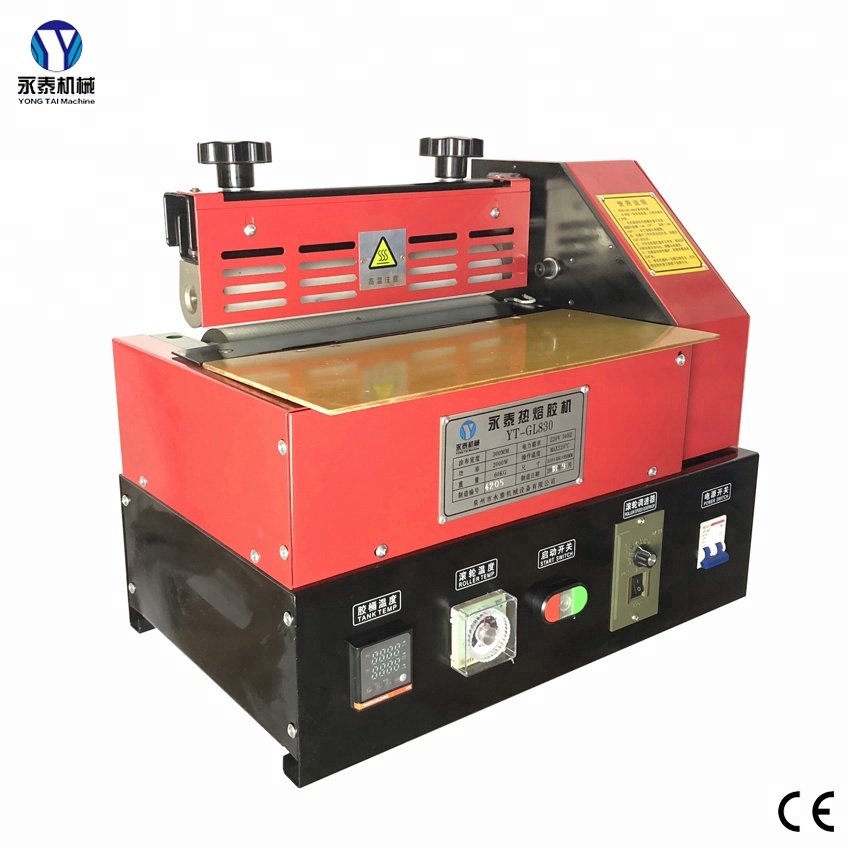
For operations looking to integrate these exact capabilities into their automated lines, exploring a dedicated hot melt glue machine tailored for multi-material assembly is the ideal starting point to eliminate production bottlenecks.
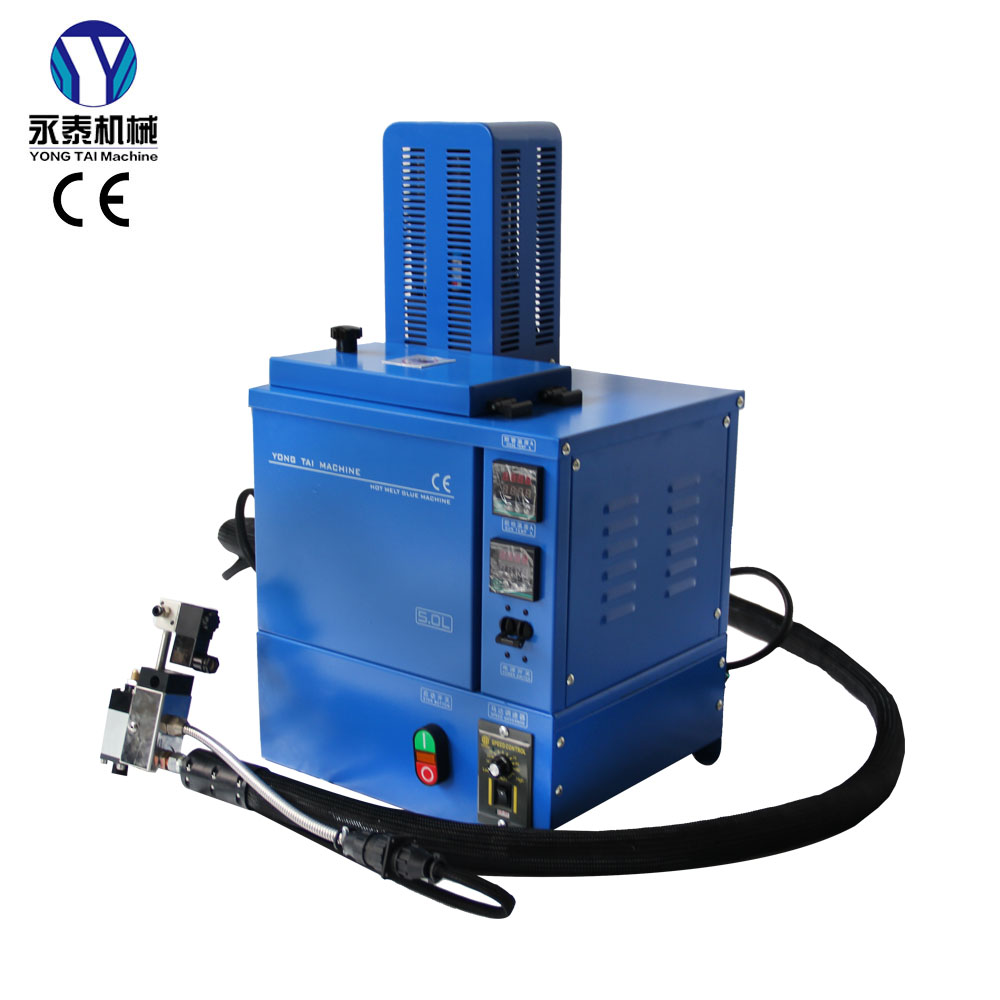
4. Business Benefits of Optimizing with Yongtai Machine
Investing in high-end precision hot melt spraying equipment isn't just a technical upgrade; it’s a strategic business decision that directly impacts your bottom line.
Significant Reduction in Material Waste
Manual application or outdated machinery often results in over-gluing to "ensure" a bond. Precision spraying patterns (such as swirl or mist spray) can reduce adhesive consumption by up to 30% to 50% without sacrificing bond strength.
Enhanced Production Throughput
Because hot melt adhesives bond instantly upon cooling, shoes can move directly to the next stage of packaging or assembly without waiting in lengthy drying tunnels. This drastically shortens lead times and boosts daily factory yield.
Flawless Product Quality & Brand Reputation
In the premium footwear market, glue lines, discoloration, or stiff joints ruin consumer perception. Precision equipment ensures that glue stays exactly where it’s supposed to be—hidden inside the structural layers of the shoe, keeping the exterior clean and professional.
Sustainability and Compliance
Global brands are tightening eco-standards. By utilizing zero-VOC hot melts applied via energy-efficient machinery, manufacturers easily comply with strict international environmental regulations, positioning themselves as green suppliers.
5. Integrating Automation: The Future of Footwear Lines
The ultimate goal for modern shoe factories is full or semi-automation. Precision hot melt spraying heads are easily mounted onto multi-axis robotic arms or computerized CNC tracking systems.
Using optical sensors or pre-programmed digital shoe profiles, automated systems scan the incoming shoe size and style, instantly adapting the spray path to match the specific sole or upper contour. This eliminates downtime during style changeovers, making small-batch customization and agile manufacturing highly profitable.
To achieve this level of synchronization on your factory floor, implementing a robust hot melt adhesive machine built for continuous industrial duty ensures your robotic lines operate at peak uptime.
6. Maintenance and Troubleshooting for Uptime Optimization
To maintain peak performance and prevent unexpected downtime on a fast-moving footwear line, factory managers should implement a strict preventative maintenance schedule:
1.Daily Nozzle Inspections: Check for external residue or partial blockages. Wipe nozzles with heat-resistant tools to ensure clean spray patterns.
2.Regular Filter Replacements: Hot melt adhesives can accumulate charred particles over time. Replace tank and gun filters periodically to keep the flow smooth.
3.System Purging: When changing adhesive types (e.g., from EVA to PUR), thoroughly purge the system with specialized cleaning agents to prevent chemical cross-reactions and clogging.
Conclusion: Partnering for Footwear Excellence
Optimizing footwear production requires a delicate balance of speed, precision, and material adaptability. As global competition intensifies, brands and contract manufacturers cannot afford the inefficiencies of outdated glue application methods.
By upgrading to precision hot melt spraying equipment, factories unlock unmatched efficiency, drastic cost savings, and superior product durability. Yongtai Machine is committed to delivering the rugged, smart, and ultra-precise industrial adhesive solutions required to keep your footwear production lines running flawlessly into the future.
FAQ
Q1: What types of hot melt adhesives are best suited for footwear production?
A: The most common adhesives used in shoe manufacturing include EVA (Ethylene Vinyl Acetate) for general assembly and insole bonding, TPR/Rubber-based hot melts for flexible areas, and PUR (Polyurethane Reactive) for high-stress zones like outsole attaching due to its superior moisture, heat, and peel resistance.
Q2: How does precision spraying prevent damage to delicate footwear fabrics or thin leathers?
A: Precision spraying equipment allows operators to control both the air pressure and the temperature meticulously. By applying the adhesive in a atomized swirl or micro-dot pattern, the heat dissipates rapidly upon contact, ensuring strong adhesion without burning or bleeding through thin, delicate synthetic meshes or premium leathers.
Q3: Can Yongtai Machine systems be integrated into our existing automated robotic conveyor lines?
A: Yes, absolutely. Yongtai Machine equipment is designed with open compatibility in mind. Our high-speed spray guns, pneumatic valves, and control modules easily interface with standard industrial PLCs and multi-axis robotic arms for fully automated, high-speed footwear production.
Q4: How often do the spray nozzles need to be cleaned or replaced?
A: With high-quality adhesives and proper filtration, nozzles require minimal maintenance. Daily external wiping and checking for char buildup is recommended. Internal components and filters typically need servicing or replacement every few months depending on production volume and adhesive purity.
Q5: Does switching from solvent glues to hot melt require re-training factory staff?
A: While the application style is different, modern hot melt machinery is highly intuitive. Systems from Yongtai Machine feature user-friendly touchscreens and automated pressure tracking, making it very easy for operators to learn and manage compared to handling hazardous chemical solvents.
 contact us
Tel : +86-13599291170
Mobile : +86-13599291170


IPv6 network supported