Categories
New Blog
Hot Melt vs. Cold Glue: Which Coating Method is Better for Industrial Packaging?
May 06 , 2026In the competitive landscape of modern manufacturing, the efficiency of your packaging line can make or break your bottom line. At YONGTAI MACHINE, we frequently encounter clients asking a pivotal question: "Should I use hot melt adhesive or cold glue for my packaging application?"
While both methods serve the primary purpose of bonding substrates, their chemical properties, application techniques, and cost-efficiencies differ significantly. Choosing the wrong method can lead to bond failure, increased downtime, or unnecessary overhead. This guide provides an in-depth comparison to help you choose the best system for your facility.
1. Understanding the Mechanics of Hot Melt Adhesives
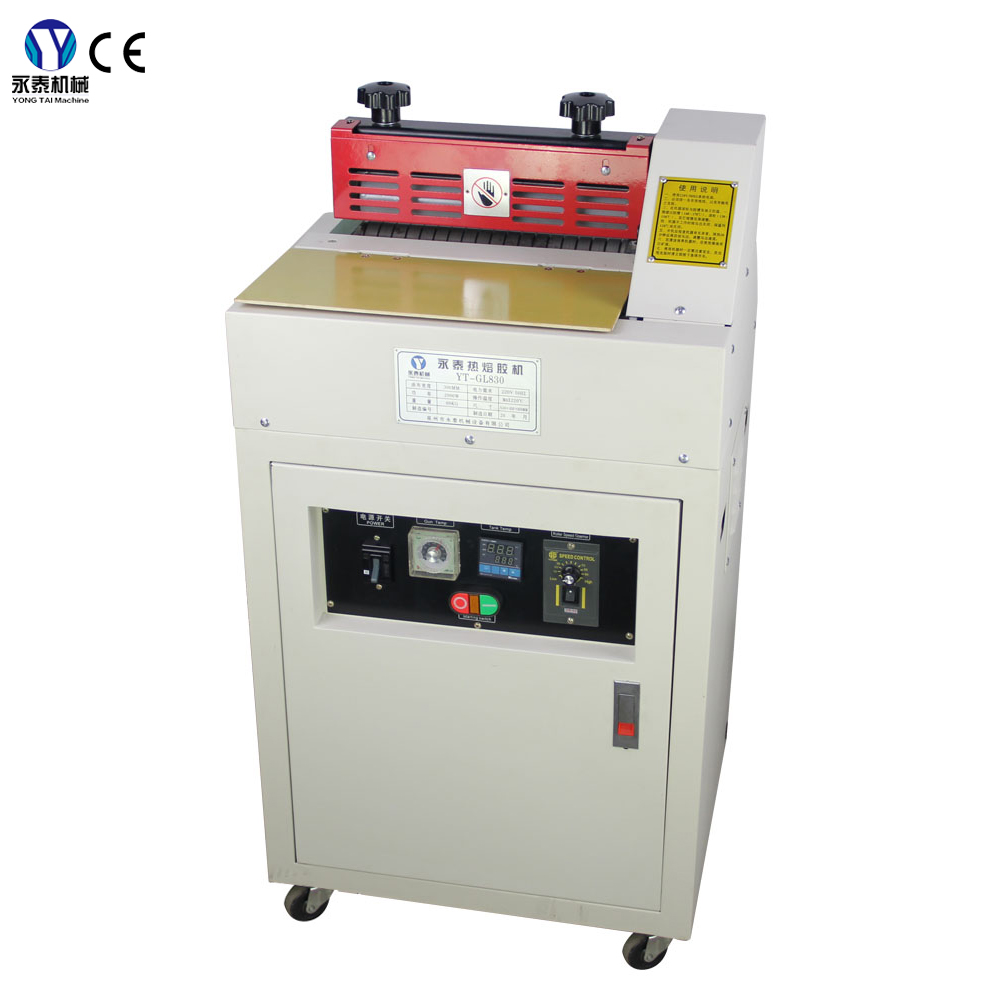
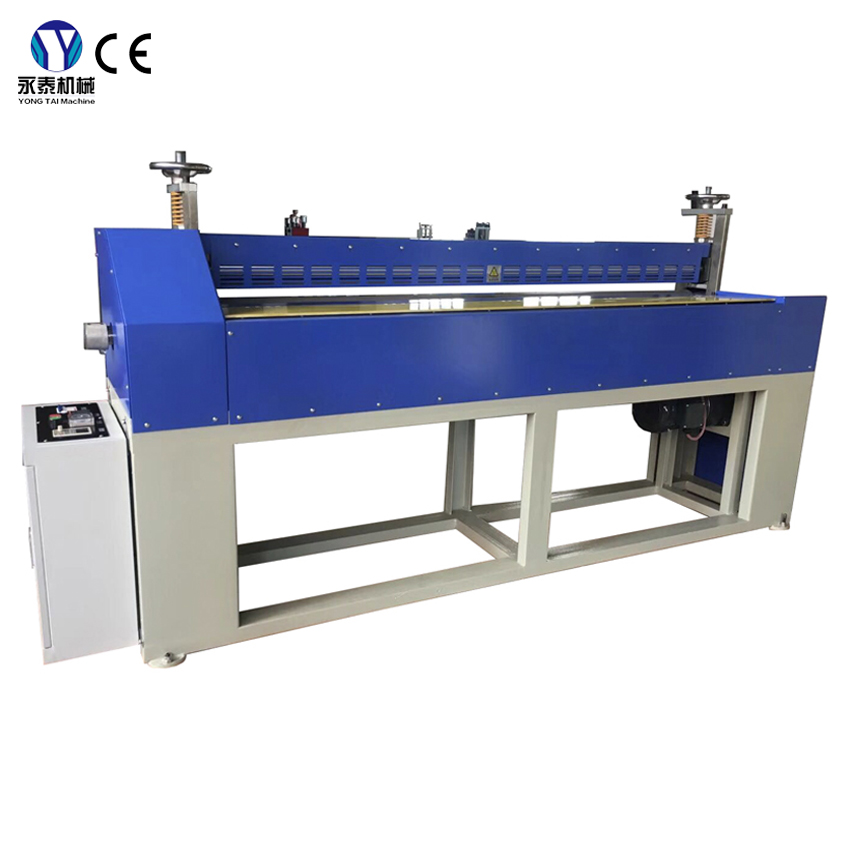
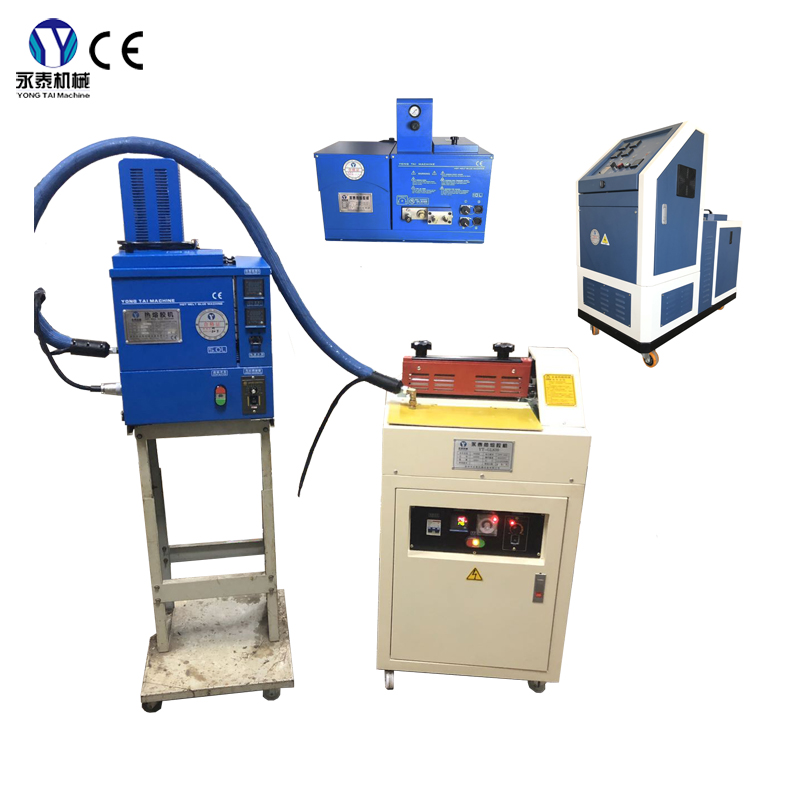
Hot melt adhesives, often referred to as "thermoplastic" glues, are solid at room temperature and become liquid when heated. In an industrial setting, these are processed through a Hot Melt Adhesive Coating Machine to apply a precise layer onto materials like cardboard, plastics, or fabrics.
How it Works
The adhesive is melted in a heated tank and pumped through heated hoses to an applicator head (nozzle or slot die). Once applied to the substrate, it cools rapidly, forming a structural bond within seconds.
Advantages of Hot Melt
*Rapid Set Time: Ideal for high-speed production lines where products need to be palletized immediately.
*Gap Filling: Its high viscosity allows it to bridge gaps in uneven surfaces.
*Moisture Resistance: Once cured, hot melt is generally impervious to water, making it excellent for frozen food packaging.
2. Understanding Cold Glue (Water-Based) Systems
Cold glue, or PVA (Polyvinyl Acetate), is a liquid adhesive that cures through the evaporation of water or absorption into the substrate. It is a staple in the paper and corrugated board industry.
How it Works
Unlike hot melt, cold glue is applied at ambient temperatures. It relies on the porosity of the material to "wick" the moisture away, allowing the adhesive polymers to interlock with the fibers of the material.
Advantages of Cold Glue
*Thin Bond Lines: It can be applied very thinly, which is cost-effective and aesthetically pleasing for premium packaging.
*High Heat Resistance: Unlike hot melt, which can re-melt if exposed to extreme heat, cold glue is a "set" bond that withstands high temperatures.
*Low Energy Consumption: Since no heating is required, the energy footprint is lower.
3. Deep Dive Comparison: Hot Melt vs. Cold Glue
To help you decide, let’s break down the performance of these two systems across five critical industrial metrics.
A. Speed of Production
In the world of industrial packaging, speed is king.
*Hot Melt: Bonds in 0.5 to 3 seconds. This allows machines to run at speeds exceeding 100 meters per minute.
*Cold Glue: Requires "compression time." The bond must be held under pressure for several seconds (or even minutes) to ensure the water evaporates sufficiently.
B. Substrate Versatility
What are you bonding?
*Non-Porous Materials: If you are bonding plastic-coated boxes, metallic foils, or glass, hot melt is the clear winner. Cold glue requires a porous surface to dry; it will slide right off non-porous surfaces.
*Porous Materials: For standard corrugated shipping containers, both work well, but cold glue is often more economical for simple paper-to-paper bonds.
C. Maintenance and Durability
Every YONGTAI MACHINE is built for durability, but the maintenance profiles differ:
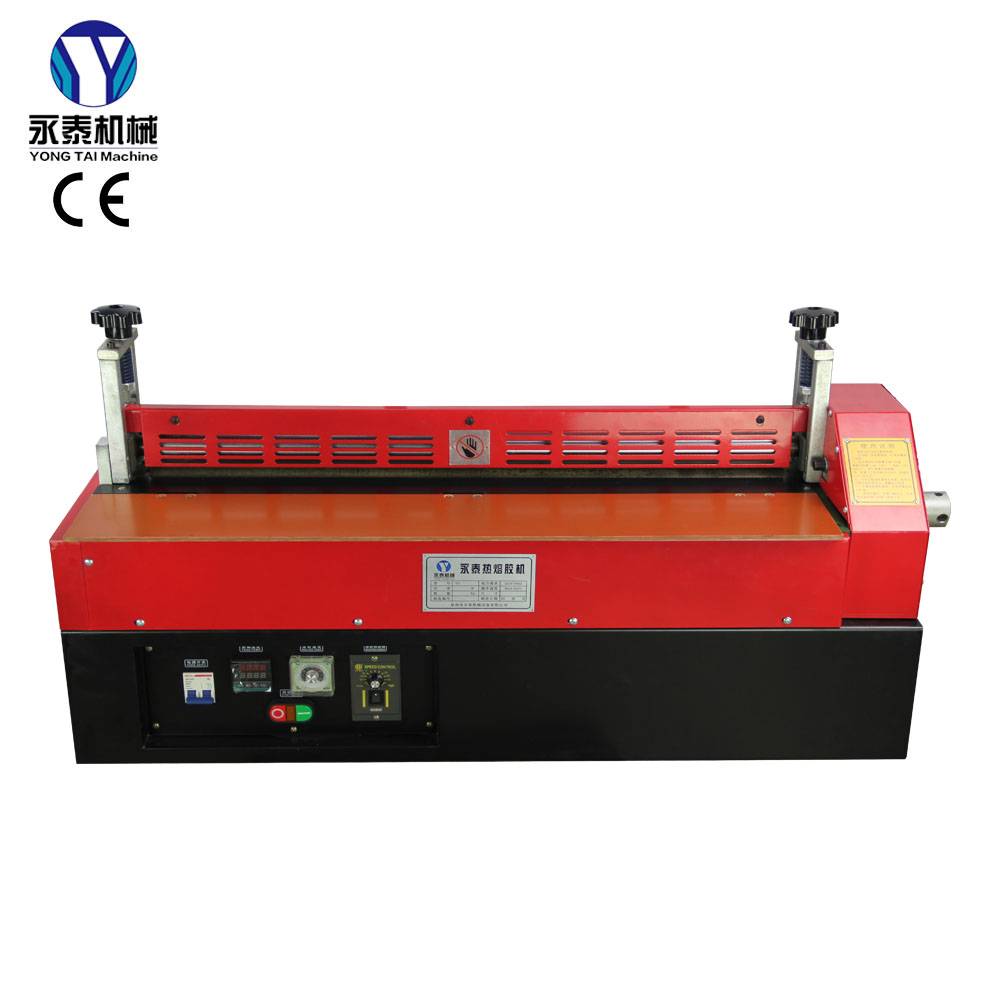
*Hot Melt Systems: Require periodic cleaning to prevent "charring" (burnt glue buildup). However, modern Slot Die Coating Machines have enclosed systems that minimize oxidation.
*Cold Glue Systems: Easier to clean with water, but nozzles can clog quickly if the machine is left idle, as the glue dries upon contact with air.
D. Environmental Factors
If your products are shipped in refrigerated containers or stored in hot warehouses:
*Cold Environments: Hot melt is superior for deep-freeze applications.
*High-Heat Environments: Standard hot melt can soften at temperatures above 60°C. In these cases, a specialized PUR (Polyurethane) hot melt or cold glue is preferred.
4. Cost Analysis: Short-term vs. Long-term
When evaluating the cost, don't just look at the price per kilogram of the adhesive. Consider the Total Cost of Ownership (TCO).
|
Feature |
Hot Melt |
Cold Glue |
|
Initial Equipment Cost |
Higher (requires heaters/hoses) |
Lower |
|
Adhesive Cost |
Higher per pound |
Lower (water-based) |
|
Floor Space |
Compact (short compression) |
Large (long compression belts) |
|
Energy Usage |
Higher (continuous heating) |
Minimal |
For high-volume manufacturers, the speed and reduced floor space of a YONGTAI hot melt system usually outweigh the higher adhesive cost.
5. Why Choose YONGTAI MACHINE for Your Coating Needs?
At YONGTAI MACHINE, we specialize in high-precision Laminating and Coating Equipment that bridges the gap between efficiency and reliability. Our machines are engineered to:
1.Reduce Waste: Precise nozzle control ensures zero "stringing."
2.Energy Efficiency: Advanced insulation in our melting tanks reduces power consumption by up to 30%.
3.Versatility: Our equipment can handle various viscosities, allowing you to switch between different adhesive grades with ease.
6. The Verdict: Which is Better?
*Choose Hot Melt if: You need high-speed production, bond non-porous materials, or have limited floor space for long conveyor belts.
*Choose Cold Glue if: You are exclusively bonding paper/cardboard, require a very flat finish, or operate in an environment where the bond will be exposed to extreme heat.
FAQ: Frequently Asked Questions
1. Can I use both hot melt and cold glue on the same line?
Yes! This is called a "dual-feed" system. Hot melt provides the "instant tack" to hold the box together, while cold glue provides the long-term, heat-resistant structural bond.
2. Is hot melt adhesive eco-friendly?
Most hot melts are 100% solid and contain no VOCs (Volatile Organic Compounds), making them more environmentally friendly than solvent-based glues.
3. How often should I perform maintenance on my hot melt machine?
We recommend a deep flush of the system every 6 to 12 months, depending on usage, and checking filters monthly to ensure consistent flow.
4. Does hot melt work on recycled cardboard?
Recycled fibers can be shorter and dustier. You may need a hot melt with higher "wetting" capabilities. YONGTAI MACHINE applicators are adjustable to ensure deep penetration even in recycled substrates.
5. Why is my hot melt glue turning black?
This is "charring," caused by over-heating the glue for too long. Using a machine with an integrated "standby mode" (like those from YONGTAI) helps prevent this by lowering temperatures during downtime.
 contact us
Tel : +86-13599291170
Mobile : +86-13599291170


IPv6 network supported